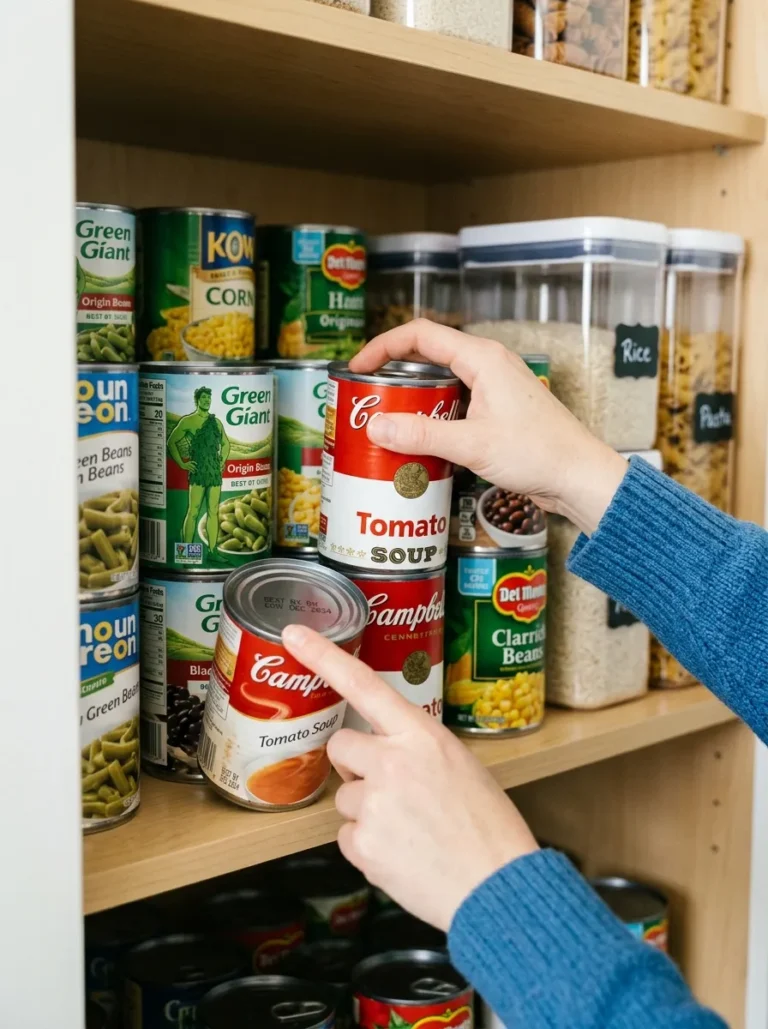
8 Small Pantry Organization Ideas That Maximize Every Inch of Space
You open the pantry door. A rogue bag of chips falls on your foot. Three half-empty cereal boxes are staging a coup in the corner. The olive oil is playing hide-and-seek behind a mountain of mismatched Tupperware lids that belong to containers you definitely no longer own. Sound familiar?
Here’s the thing — a cramped or narrow pantry isn’t a design failure. It’s an opportunity wearing a very messy disguise. Small pantry organization is one of those rare home challenges where a handful of smart, budget-friendly decisions can produce a genuinely jaw-dropping transformation. No gut renovation required. No HGTV budget. Just the right systems, the right products, and the right mindset.
Whether you’re working with a reach-in closet masquerading as a pantry, a single deep cabinet, or a narrow walk-in that barely fits one person and their ambitions — these eight ideas will help you reclaim every cubic inch. The goal isn’t perfection. The goal is function that looks like perfection.
Let’s jump into the small pantry organization strategies that actually work…
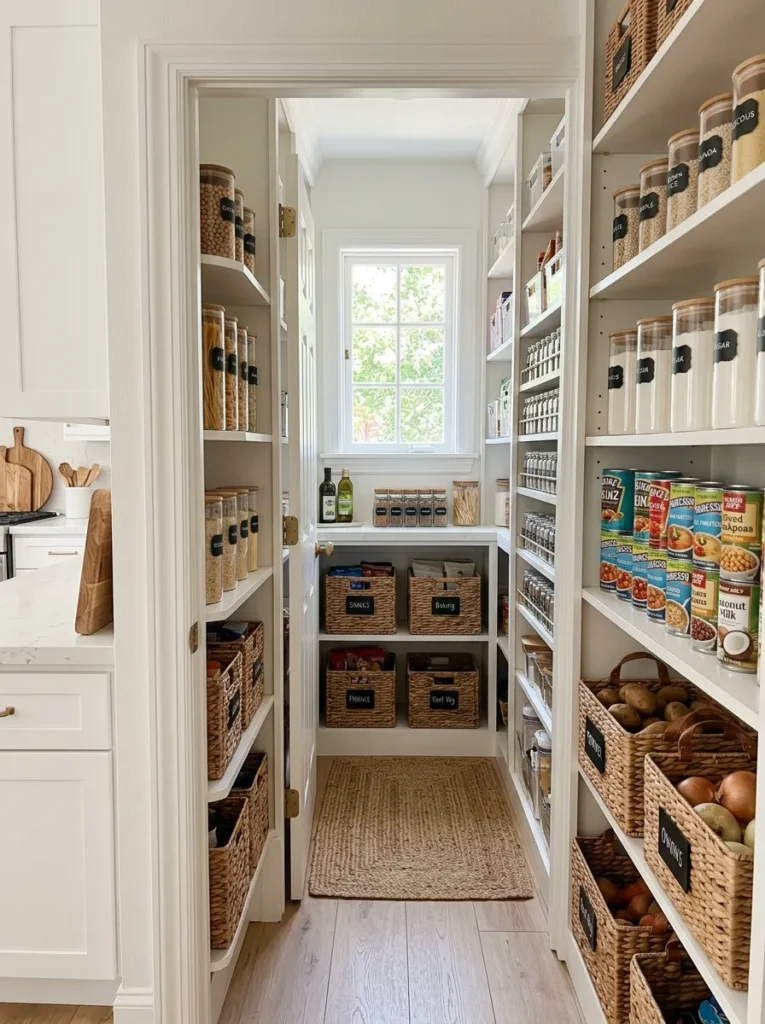
1. Install Adjustable Shelving to Own the Vertical Space
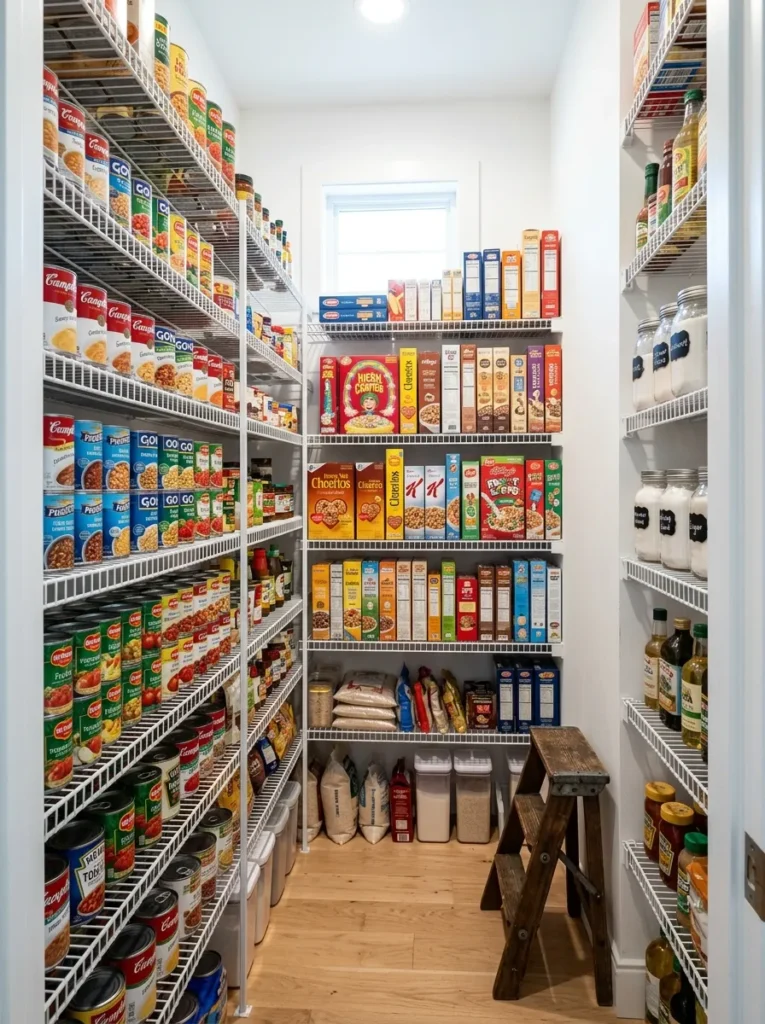
Vertical space is the most underused real estate in any small pantry — and it’s basically free. Most builder-grade pantries come with fixed shelves spaced for items that don’t actually exist in your kitchen. Adjustable shelving systems let you customize every inch so a shelf sits two inches above your tallest bottle and doesn’t waste half the wall doing nothing.
- Look for wall-mounted track systems (ClosetMaid or Elfa are fan favorites) that allow shelf height changes in minutes
- Maximize the top shelf for rarely used items — think holiday baking supplies or the bread maker you’ve used twice
- Add a small step stool inside the pantry so top shelves aren’t just decorative
Small pantry organization starts at the bones — and adjustable shelving is the skeleton everything else is built on.
- Amazon find: ClosetMaid 7-Tier Adjustable Shelving Unit – mounts in minutes and works in even the narrowest spaces
2. Use Clear Bins to Group and Conquer Chaos
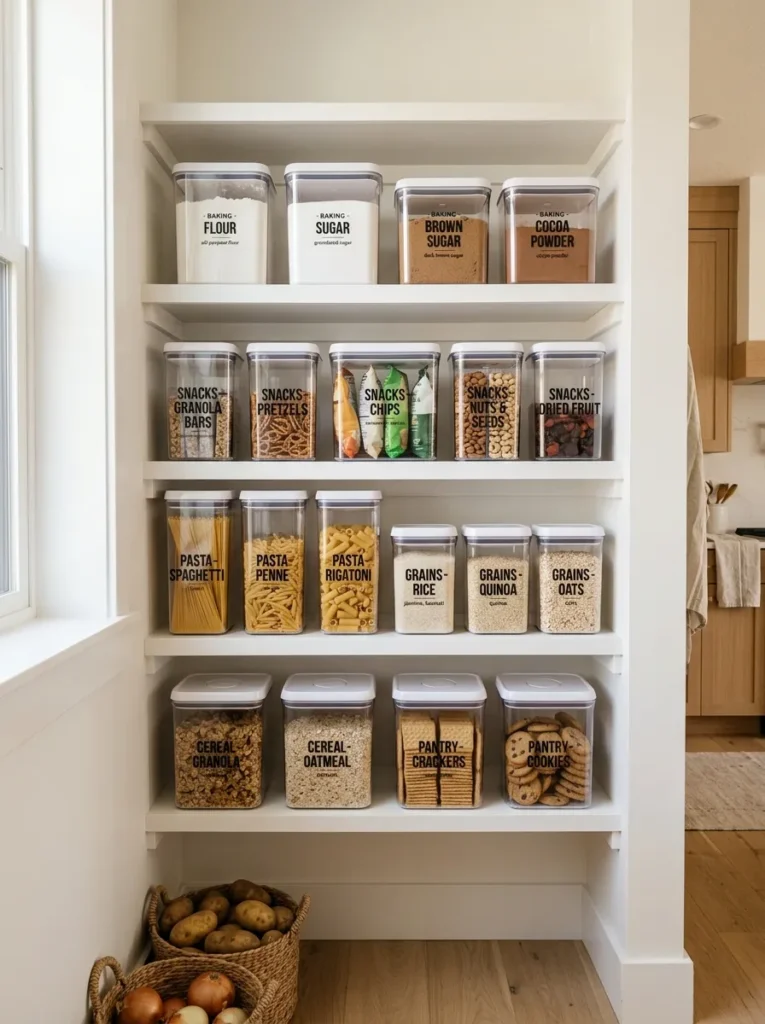
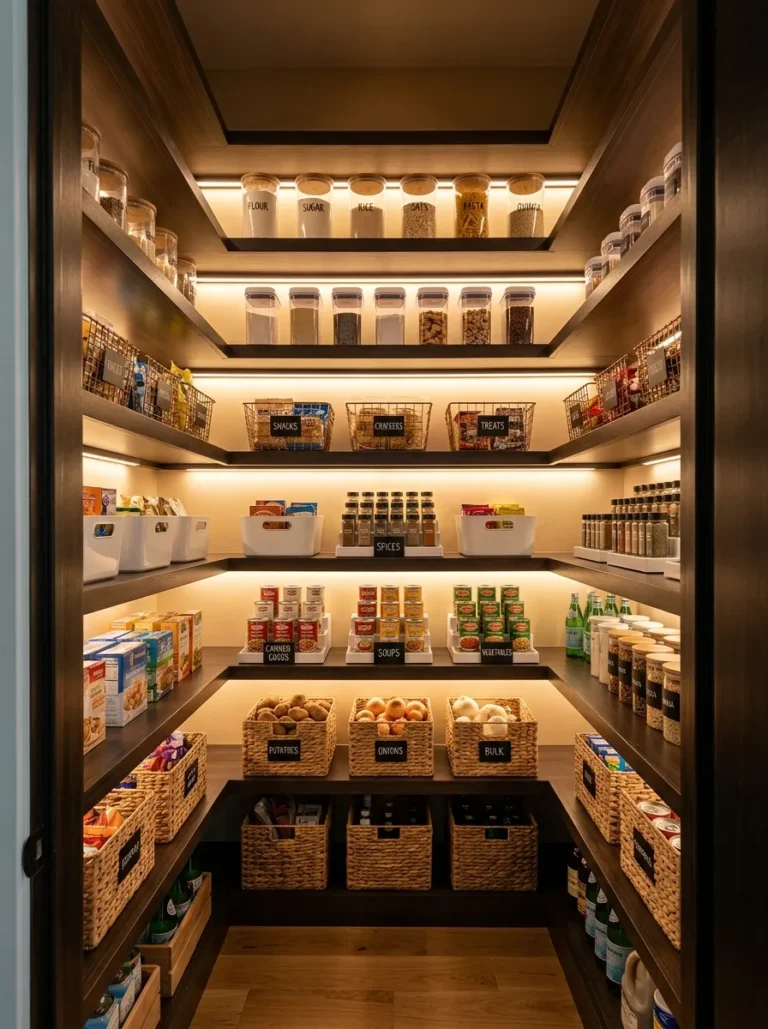
Clear bins are the unsung heroes of small pantry organization. They’re doing the heavy lifting while looking impossibly chic about it. The logic is simple: when everything lives in a designated bin, you stop playing kitchen archaeology every time you need breadcrumbs.
Group items by category — baking, snacks, grains, canned goods, breakfast — and give each category its own bin. The clear material means you can see exactly what’s running low without playing the tragic game of “did we already buy more pasta or did we just think about buying more pasta?”
- Rectangular bins use shelf space far more efficiently than round or oddly shaped containers
- Stick to one brand for a cohesive, editorial look that’ll make your pantry feel intentional, not chaotic
- Stackable options double your storage without adding a single shelf
- Amazon find: mDesign Large Clear Plastic Storage Bins with Handles – stackable, fridge-safe, and pantry-perfect
3. Label Everything — Yes, Everything
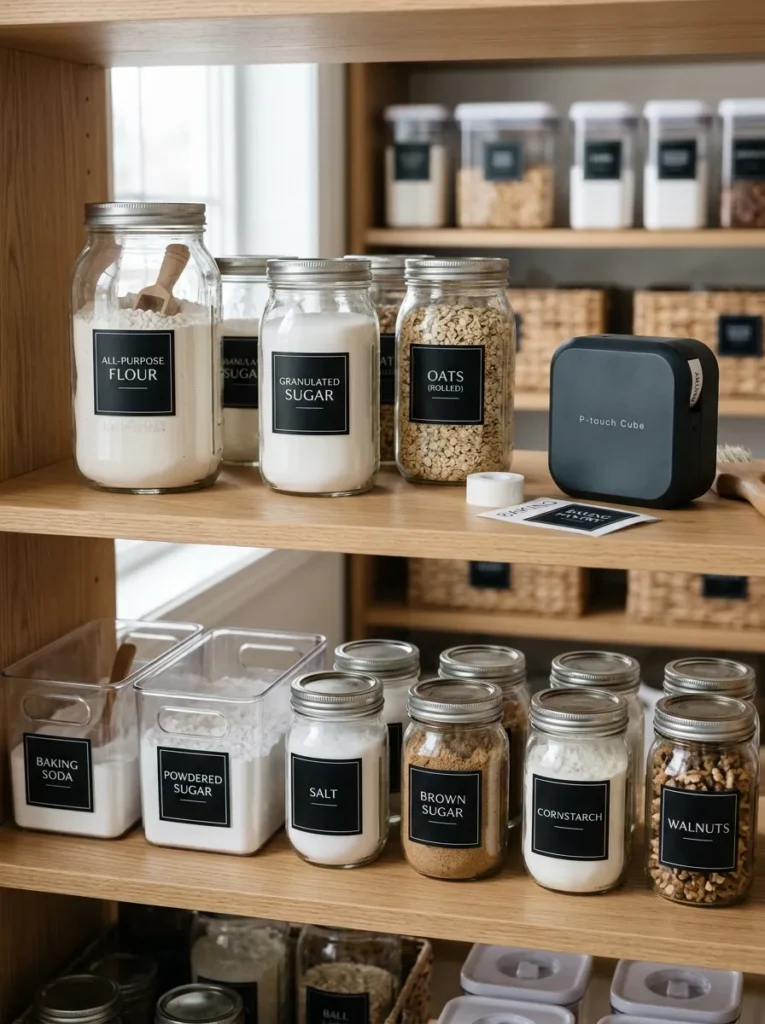
Labels are what separate a functional pantry from one that looks like a Pinterest board come to life. And before you roll your eyes — this isn’t about being a “that person.” It’s about creating a system that works even when future-you is exhausted, running late, and can’t tell cumin from coriander by smell alone.
Labeling in small pantry organization serves two purposes: it keeps you honest (everything goes back where it belongs) and it makes the pantry legible to every member of the household, including the ones who “can never find anything.”
- Use a label maker for clean, professional results — the Brother P-Touch is a cult classic for a reason
- Chalkboard labels work beautifully on glass jars and can be updated when contents change
- Label both the bin AND the shelf edge so the system survives even when bins are removed
- Amazon find: Brother P-Touch Label Maker – the gold standard for pantry labels, crisp and waterproof
4. Go Vertical with Over-the-Door Organizers
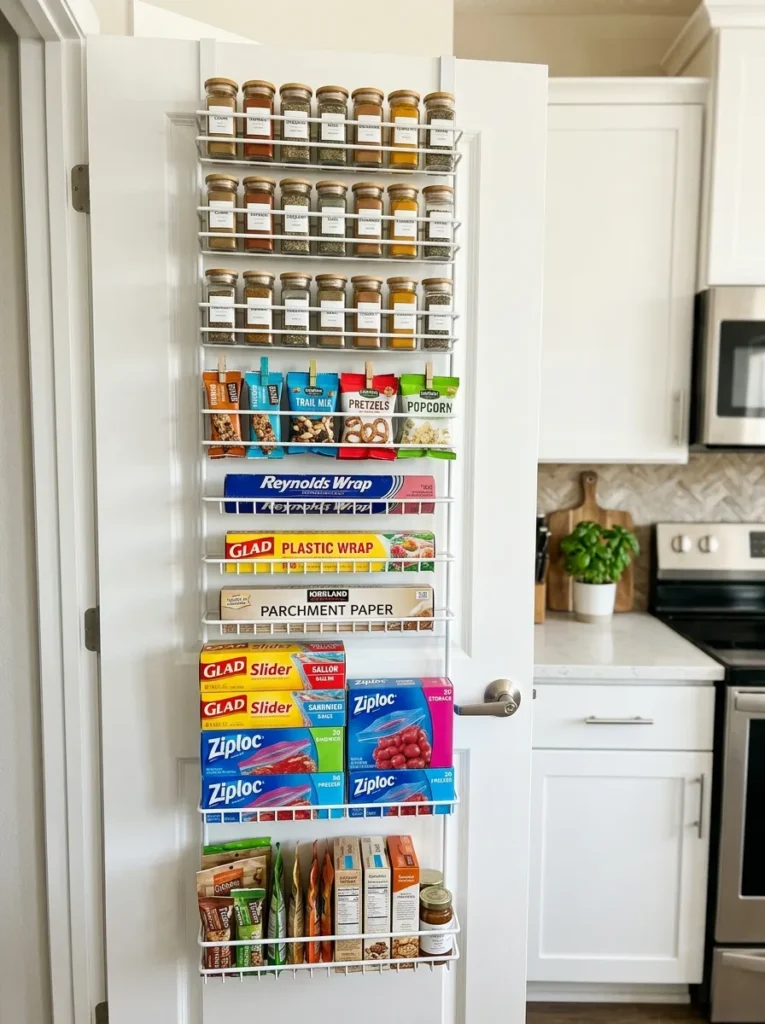
The pantry door is prime real estate that most people treat like a blank wall. That’s basically leaving money on the table — or, in this case, leaving storage space on the door. Over-the-door organizers are the secret weapon of small pantry organization, turning a flat surface into tiered, accessible storage without occupying a single inch of shelf space.
- Use the door for frequently grabbed items: spices, snack bags, foil and wrap boxes, or small condiment packets
- Choose organizers with adjustable tiers to accommodate different item heights
- Make sure the organizer accounts for door clearance — measure the gap between the door and the first shelf before ordering
The door is basically a bonus shelf you’ve been ignoring. Consider this your intervention.
5. Decant into Uniform Jars for Instant Visual Order
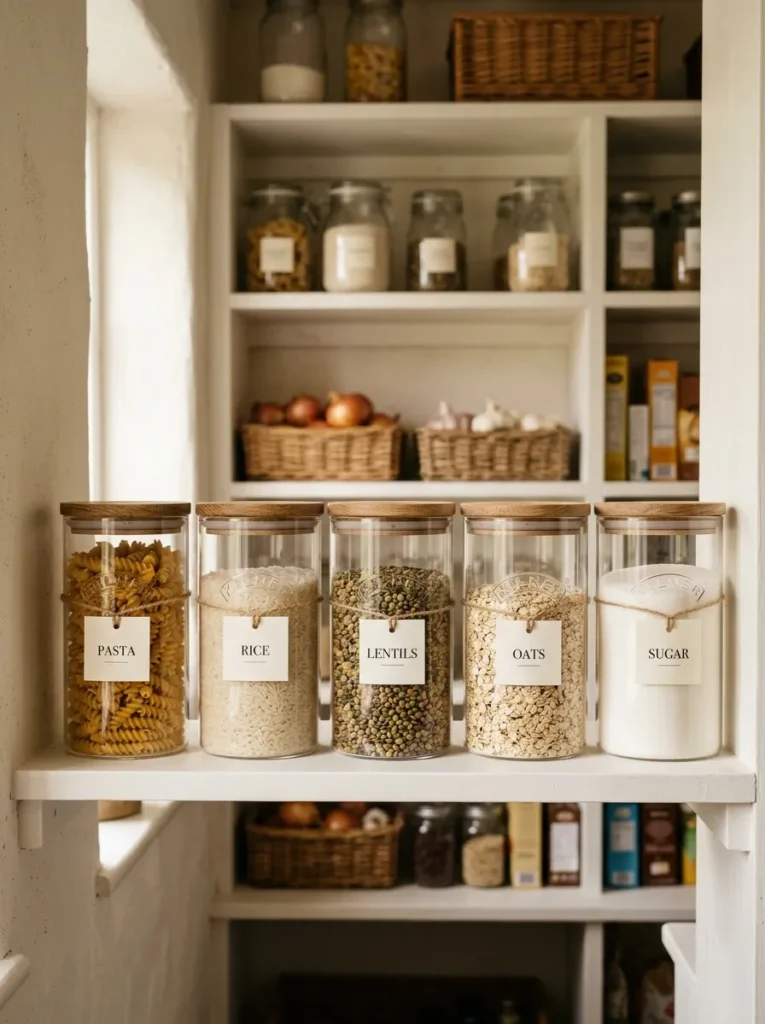
Decanting sounds like something reserved for wine snobs and lifestyle influencers, but in the context of small pantry organization, it’s one of the highest-impact moves you can make. Transferring dry goods from their original bulky, oddly-shaped packaging into uniform glass or airtight canisters does something almost magical — it makes the pantry look curated even when it’s completely full.
- Airtight canisters keep dry goods fresher longer, which is a functional win on top of the aesthetic one
- Matching sets create visual calm — a row of identical jars reads as “organized” even before you check the labels
- Square or rectangular canisters pack more tightly than round ones, which matters enormously in small pantries
This is one of those small pantry organization moves where the effort-to-impact ratio is almost unfair. One Sunday afternoon of decanting and the pantry looks like it belongs in a design magazine.
This post contains affiliate links. If you buy something through them, I may earn a small commission at no extra cost to you.
6. Add a Lazy Susan to Deep Shelves
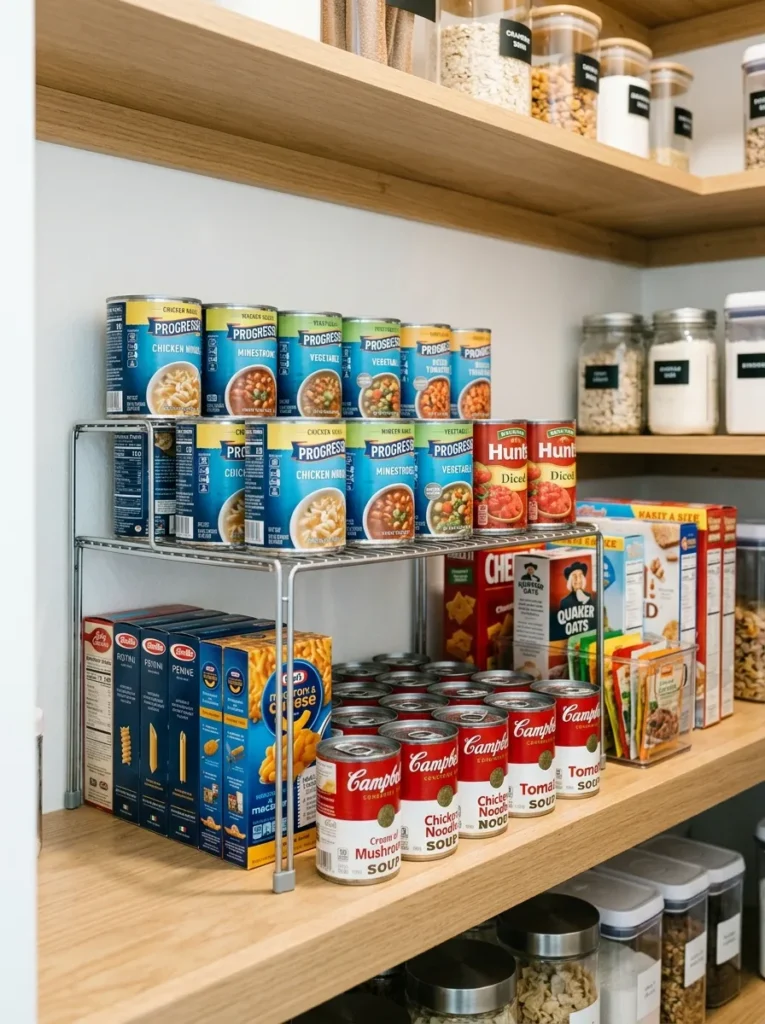
Deep shelves and small pantries are a complicated relationship. The depth feels like bonus storage until you realize everything at the back is essentially lost forever — a culinary Bermuda Triangle of forgotten sauces and expired cans. Enter the Lazy Susan, the turntable that should have been on every deep shelf since the beginning of time.
A Lazy Susan solves the cardinal sin of deep shelving: items hiding behind other items. One spin and everything rotates into view. It’s shockingly satisfying and immediately addictive.
- Use a double-tier Lazy Susan for spices and small bottles to maximize vertical space on the same shelf
- Bamboo options add warmth and texture; acrylic options keep the look clean and modern
- Corner shelves in walk-in pantries benefit enormously from a large-format turntable
- Amazon find: Copco Non-Skid Lazy Susan Turntable 2-Pack – non-slip base, works on any shelf depth
7. Use Risers and Stacking Shelves to Double Shelf Space
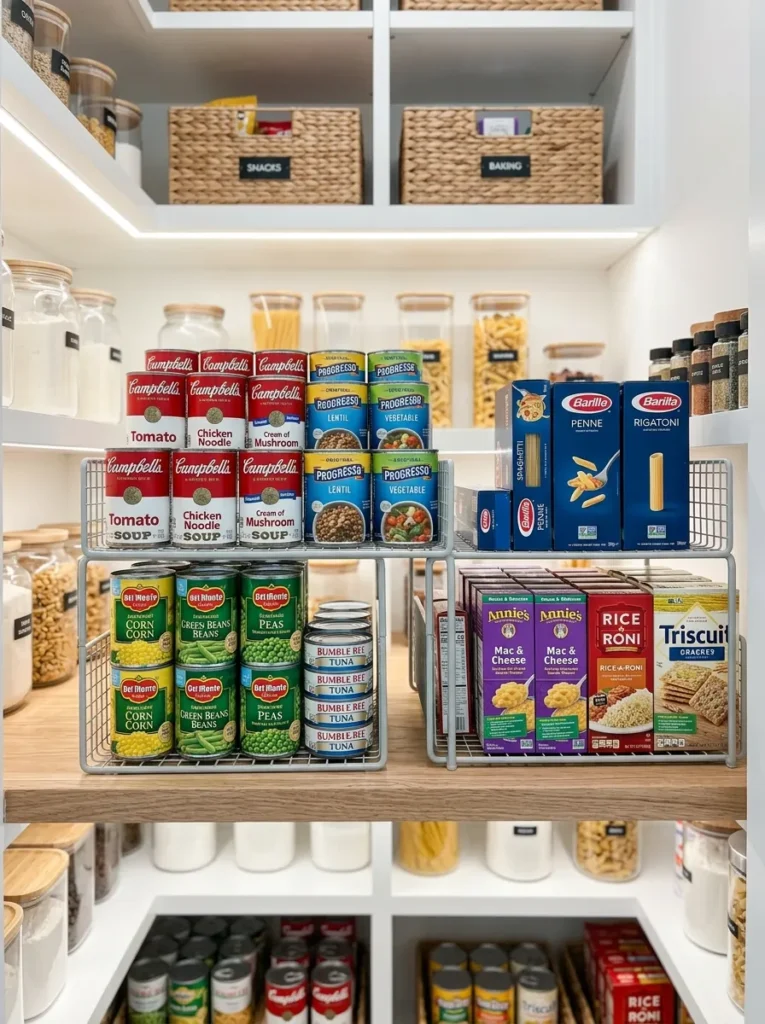
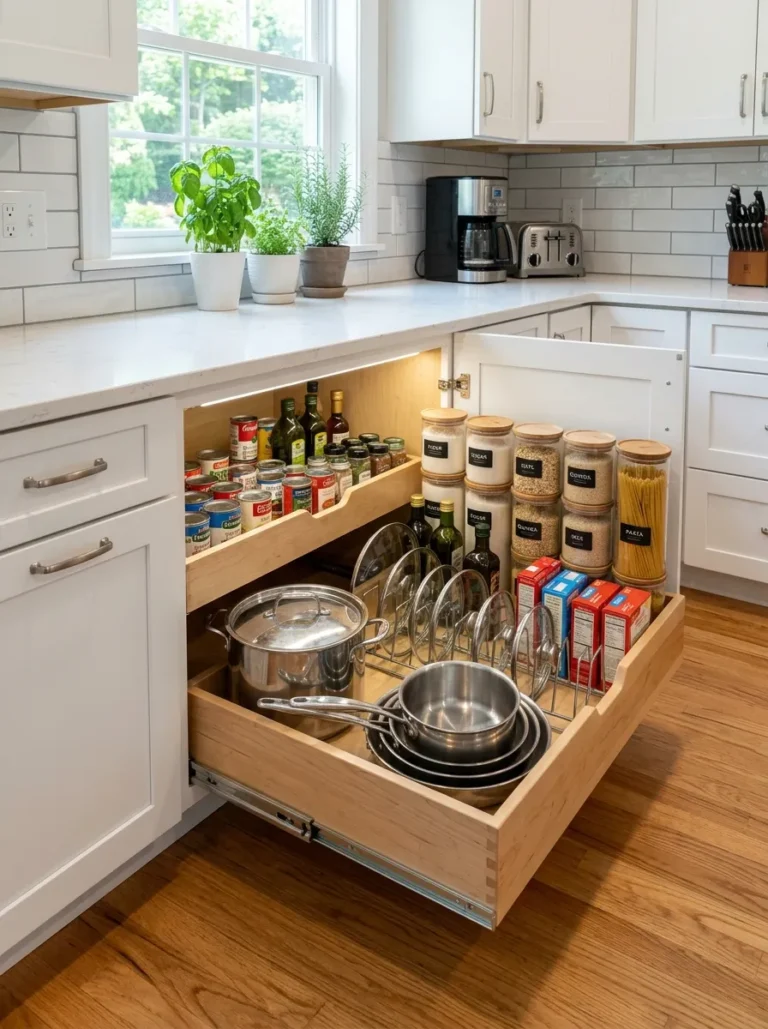
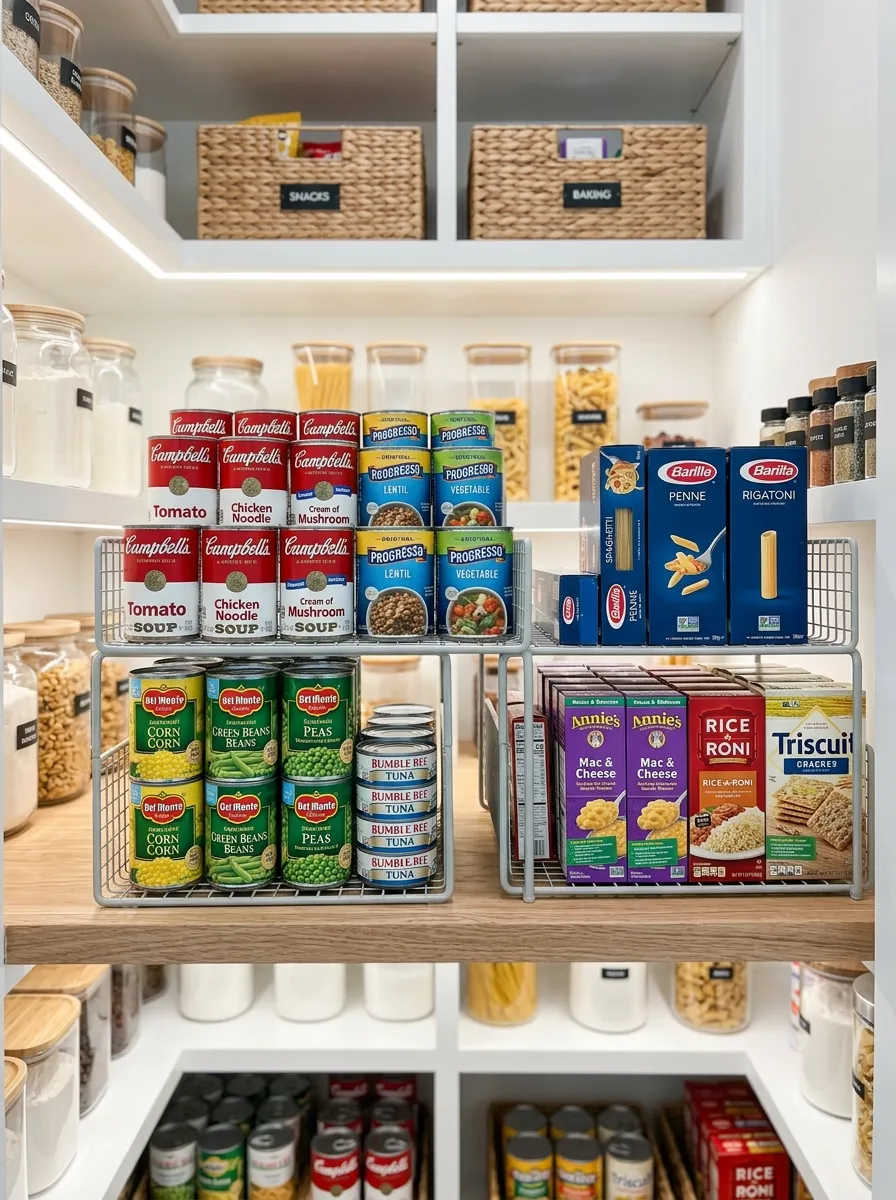
Here’s a small pantry organization trick that feels almost like cheating: stackable shelf risers. These simple, often underrated inserts essentially create a second floor on any existing shelf — meaning one shelf does the job of two without any installation, drilling, or commitment.
Canned goods are the perfect candidate. Instead of one row of cans stretching back into the abyss, risers let you stack two visible rows in the same footprint. It’s the organizational equivalent of building a second story on your home — minus the permits and the budget.
- Metal risers are more durable; bamboo risers add warmth if the aesthetic matters to you
- Use them for cans, jars, and boxes — anything that benefits from being seen rather than buried
- Also works inside cabinets for dishes and glasses, making this purchase pull double duty across the kitchen
Utilizing over-the-door racks and slim rolling carts expands a tight closet significantly, serving as a stepping stone toward full-scale kitchen pantry organization systems.
8. Create a Dedicated “First-In, First-Out” Zone for Expiry Management
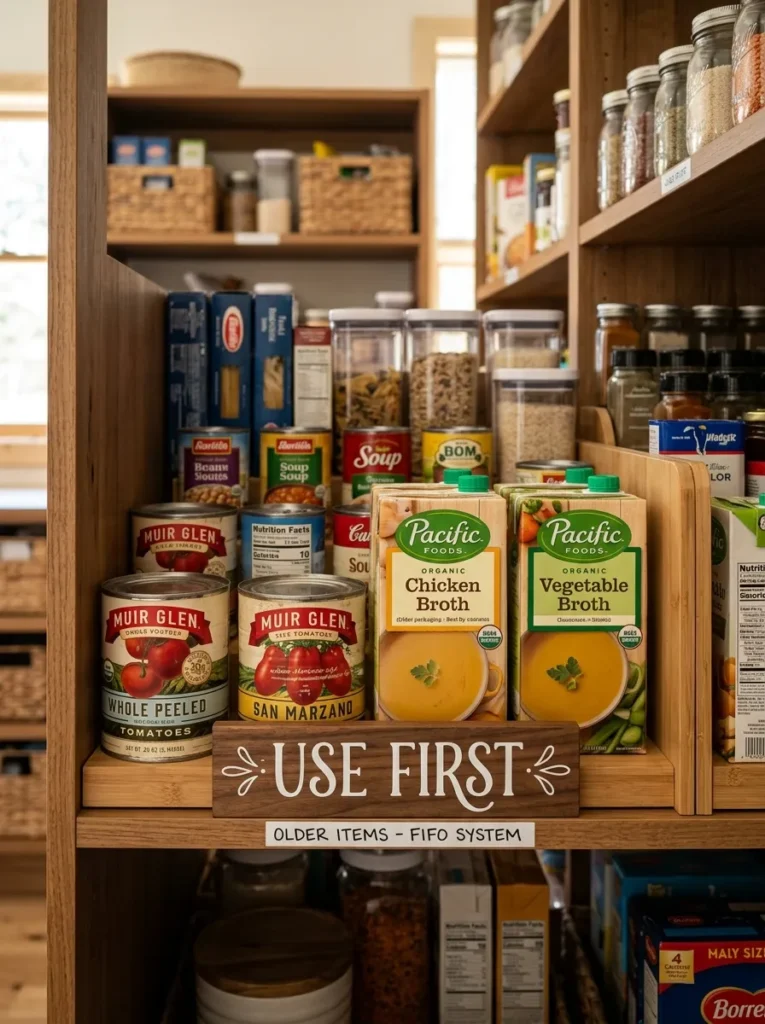
The final boss of small pantry organization isn’t storage — it’s rotation. All the bins and labels in the world won’t save you from discovering a can of chickpeas from 2021 if you don’t have a system for managing expiry dates. The “first-in, first-out” method (a trick borrowed straight from professional kitchens) solves this elegantly.
Designate one area — a bin, a shelf section, even a small basket — as the “Use First” zone. Newer groceries always go behind older ones. The oldest items sit front and center, visible and ready to be used before they hit expiry. Simple, effective, and the kind of habit that saves real money over time.
- A small chalkboard sign or label reading “Use First” makes the zone immediately understood by everyone in the household
- This system works especially well for canned goods, snack items, and baking ingredients
- Combine it with a monthly “pantry audit” — a 10-minute sweep where you check dates, consolidate duplicates, and reset the system
Small pantry organization is never a one-and-done project. It’s a living system — and the FIFO zone is the habit that keeps it alive.
- Amazon find: Farmhouse Chalkboard Labels Set – perfect for zone signage and bin labeling throughout the pantry
A small pantry is never the problem — a pantry without a system is. Start with one or two of these ideas this weekend, and watch how quickly “I can’t find anything in here” becomes “actually, this pantry is kind of incredible.” Your future self — standing calmly in front of a beautifully organized pantry, snack in hand — will thank you.