10 Stunning Dining Table Place Setting Ideas for Impressive Dinner Parties
This post contains affiliate links. If you buy something through them, I may earn a small commission at no extra cost to you.
A plate, a fork, a glass shoved wherever it fits — that’s not a place setting, that’s a table that gave up halfway through. Guests notice the difference between “food is served” and “you’re genuinely welcome here,” and it usually comes down to what’s happening at each seat.
Setting a table properly isn’t fussy — it’s just a formula. Let’s jump into dining table place setting ideas that turn any dinner into an occasion.
1. The Layered Charger Foundation
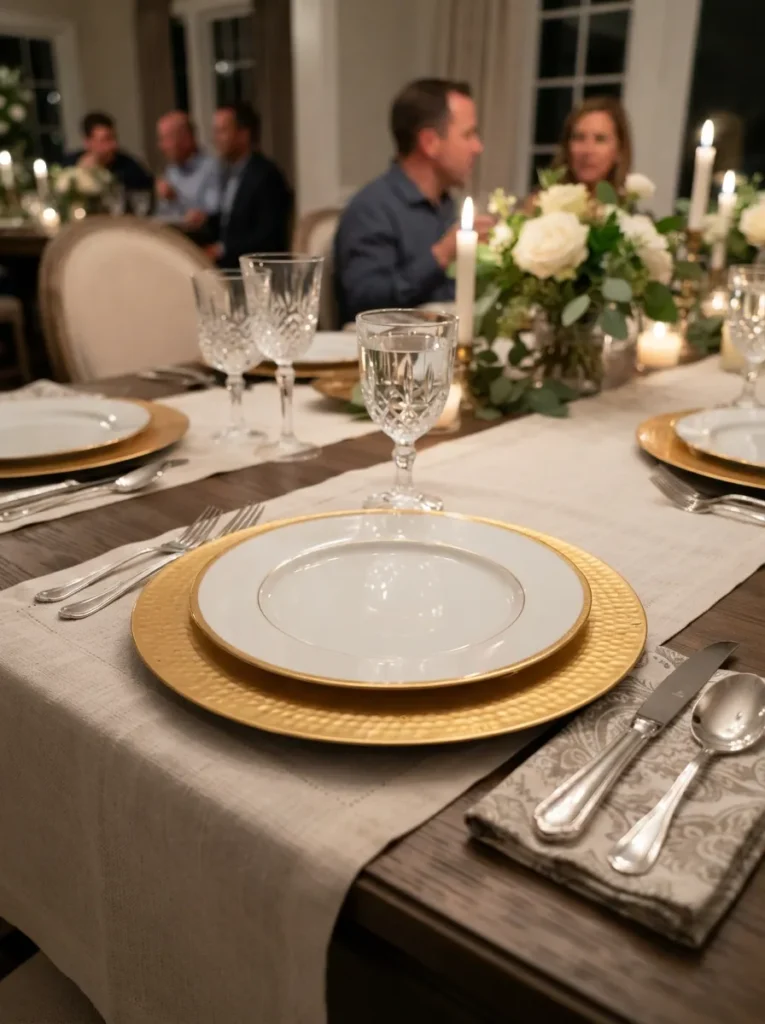
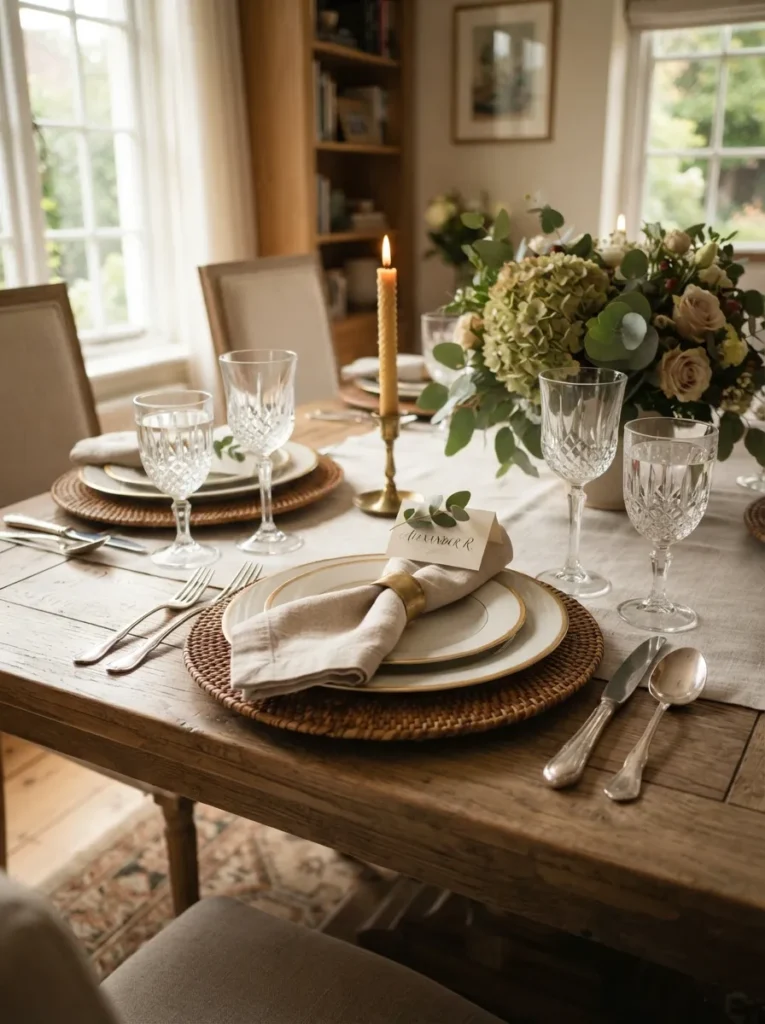
Every strong place setting starts at the bottom layer. A charger plate isn’t for eating off of — it’s the foundation that makes everything stacked on top look intentional.
- Metallic chargers (gold, brass, pewter) add polish without overwhelming the table.
- Chargers also protect the tablecloth or table surface from hot dishes and spills.
Design insight: remove the charger before the main course is served, once appetizer plates are cleared. Leaving it under a hot entrée plate is a common formal-dining misstep.
2. Classic Formal Flatware Placement
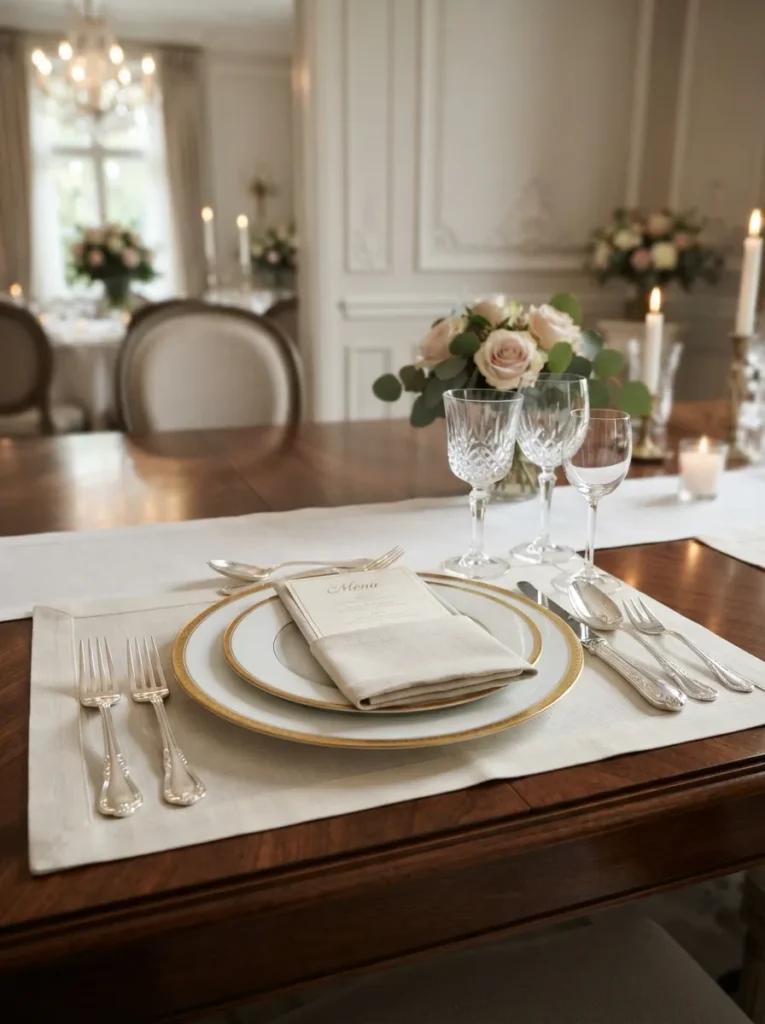
Flatware placement follows one simple rule: work from the outside in, matching the course order of the meal.
- Forks go to the left, knives and spoons to the right, blade facing the plate.
- Dessert flatware sits above the plate, ready for the final course.
Why it works: this outside-in system means guests never have to guess which fork belongs to which course — they simply follow the table’s own built-in instructions.
3. Stemware Lineup for Multi-Course Dinners
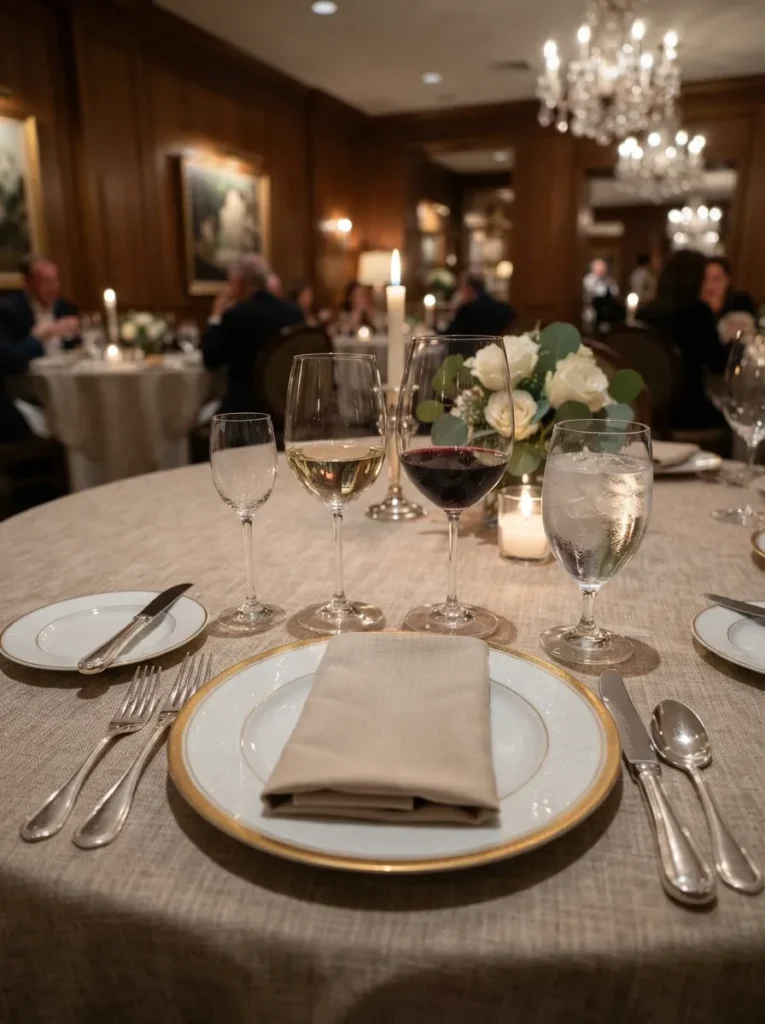
Multiple courses often mean multiple wines, and stemware placement keeps that from turning into a glass-shuffling situation mid-meal.
- Arrange glasses in a diagonal line from largest (water) to smallest (dessert wine), positioned above the knife.
- Water glass sits closest to the plate; wine glasses follow at a slight angle outward.
Spatial tip: leave enough space between glasses that a server can refill one without knocking into another — roughly a thumb’s width is the standard.
4. Folded Linen Napkins as a Styling Moment
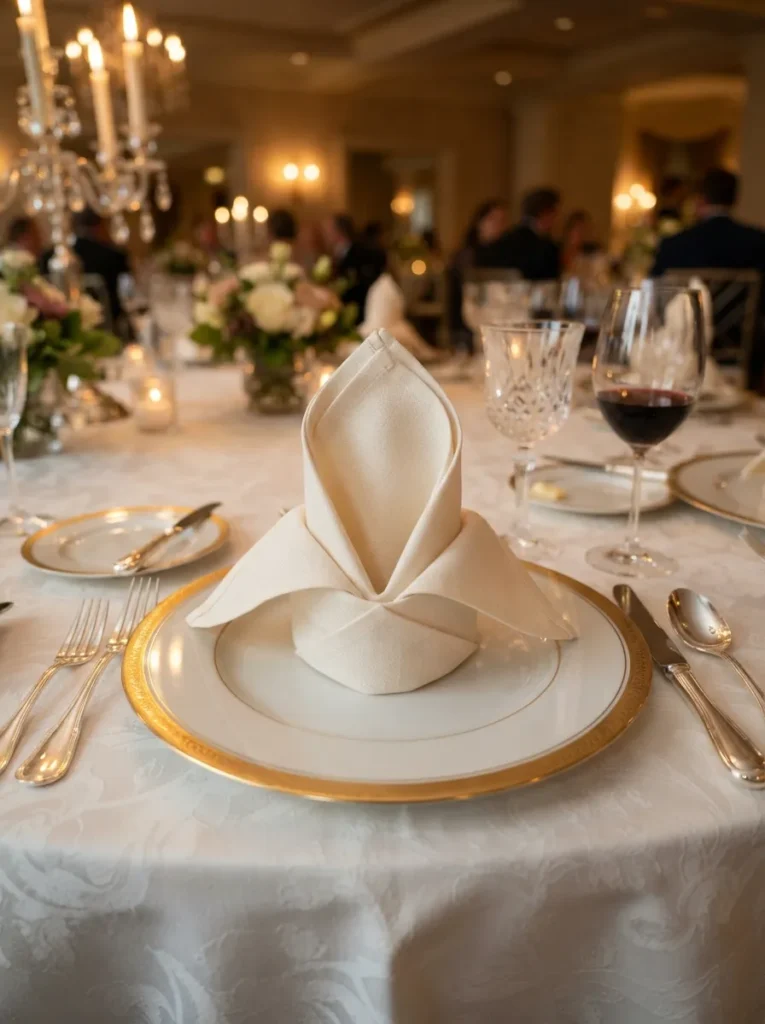
A folded napkin does more visual work than almost anything else at the setting — it’s the first texture guests notice before a single dish arrives.
- Simple rectangular folds read modern; more elaborate folds suit formal, traditional tables.
- Placing the napkin on the charger, rather than beside the flatware, creates a cleaner visual line.
Material to avoid: paper napkins for anything beyond casual brunch — linen or cotton napkins hold folds and simply photograph and feel more considered.
5. Personalized Place Cards for a Thoughtful Touch
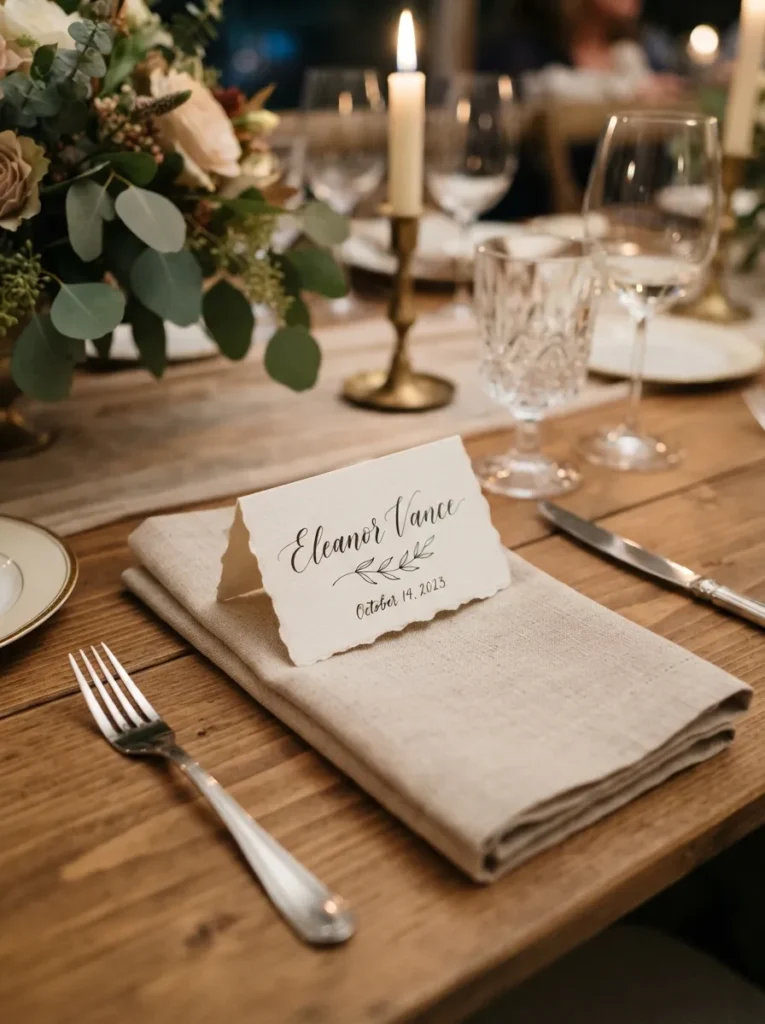
Place cards solve the awkward hover-and-decide moment at the start of a dinner party, while also making each guest feel specifically considered.
- Simple cardstock with clean handwriting works as well as elaborate calligraphy.
- Position the card just above the plate or resting on the folded napkin.
Design insight: place cards also give hosts quiet control over seating dynamics — genuinely useful for separating chatty relatives or pairing up guests who’ll get along.
6. Bread Plates for Casual-to-Formal Flexibility
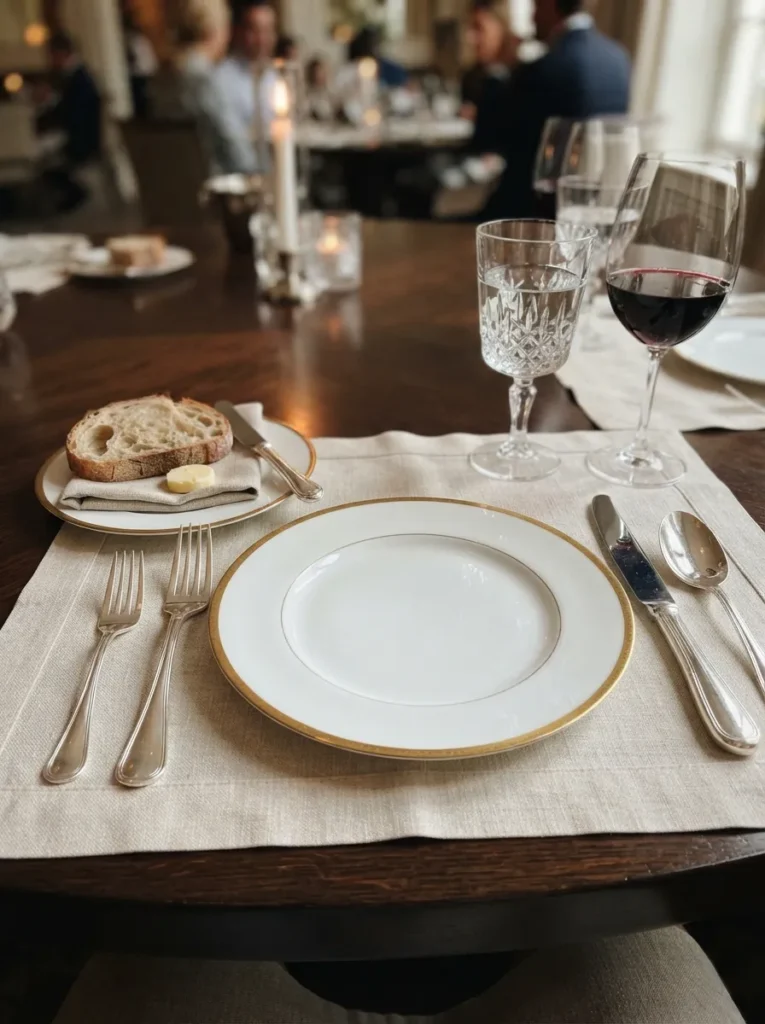
Bread plates sit at the upper left of the setting, above the forks, and they’re one of the easiest ways to add a formal touch without much extra effort.
- Include a small butter knife resting across the bread plate.
- Skip the bread plate entirely for casual brunch setups — it’s a formal-to-semi-formal addition, not a daily necessity.
Pros: bread plates keep crumbs off the main table linens. Cons to watch: they take up meaningful space, so skip them on tighter or smaller table layouts.
7. Mixed Metal Flatware for Modern Edge
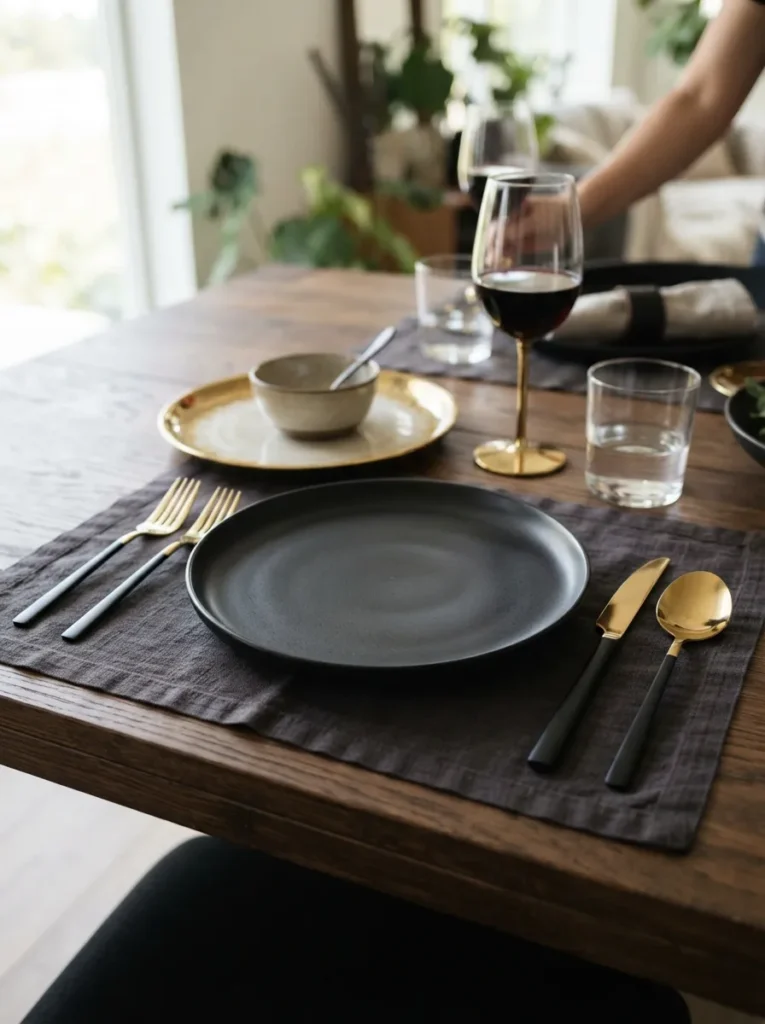
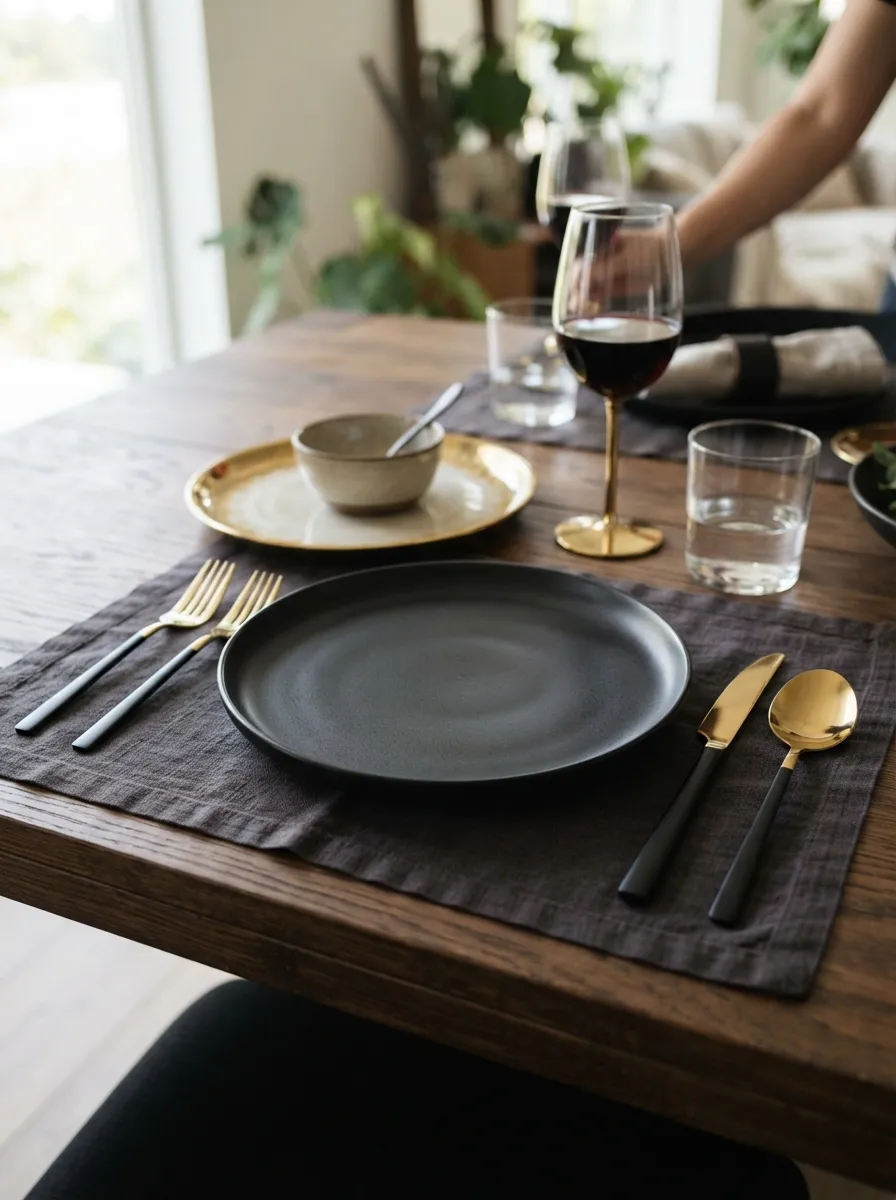
Matching everything is safe, but mixed metals — black flatware with gold rims, for instance — bring a modern, slightly unexpected edge to the table.
adds contemporary contrast to an otherwise classic place setting.
🛒 Check Price on AmazonKeep the rest of the setting relatively simple when flatware is doing something bold, so the contrast doesn’t tip into visual overload.
Why it works: mixed metals also photograph beautifully under warm dinner lighting, catching more visual dimension than a single flat finish.
8. Menu Cards for an Elevated Dinner Party Feel
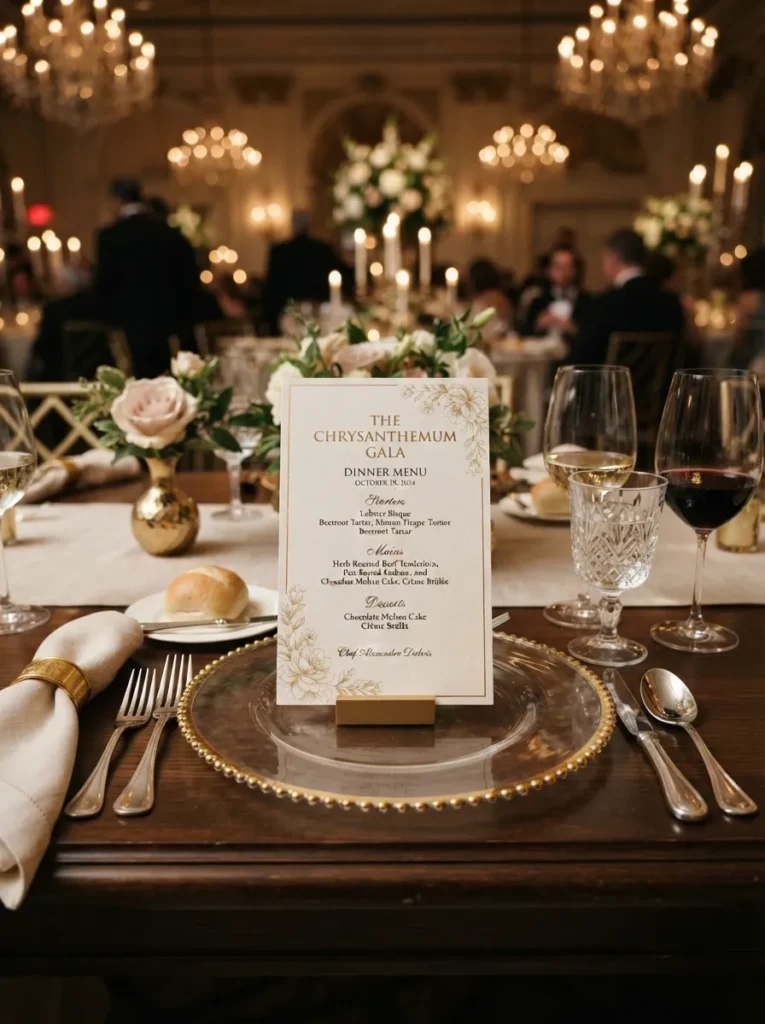
A small printed menu at each place setting instantly elevates a dinner party — it signals that the meal has been planned with real intention, course by course.
ideal for printing or handwriting a custom multi-course dinner menu.
🛒 Check Price on AmazonKeep the menu short and simple: three or four courses listed is plenty for guests to anticipate what’s coming.
Design insight: menu cards work especially well for holiday dinners, where guests appreciate knowing whether to pace themselves before the main course.
9. Coordinated Napkin Rings for Polished Detail
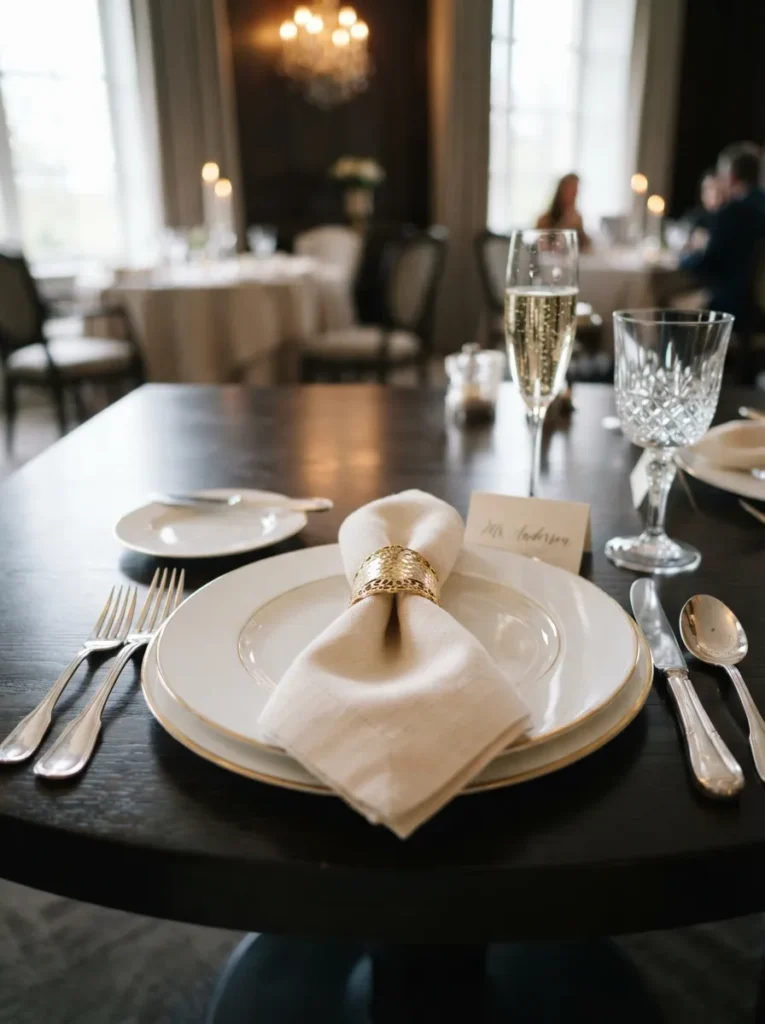
Napkin rings pull a folded napkin together and add one more small layer of intentional styling — a detail most guests notice, even if they can’t say exactly why the table looks so put-together.
adds a cohesive metallic detail that ties flatware and chargers together.
🛒 Check Price on AmazonMatch the napkin ring finish to the flatware or charger metal for a fully coordinated look across the whole setting.
Con to watch: ornate napkin rings can be tricky to slide on and off quickly — simpler bands work better for larger dinner parties with many settings to manage.
10. Casual Brunch Settings That Skip the Formality
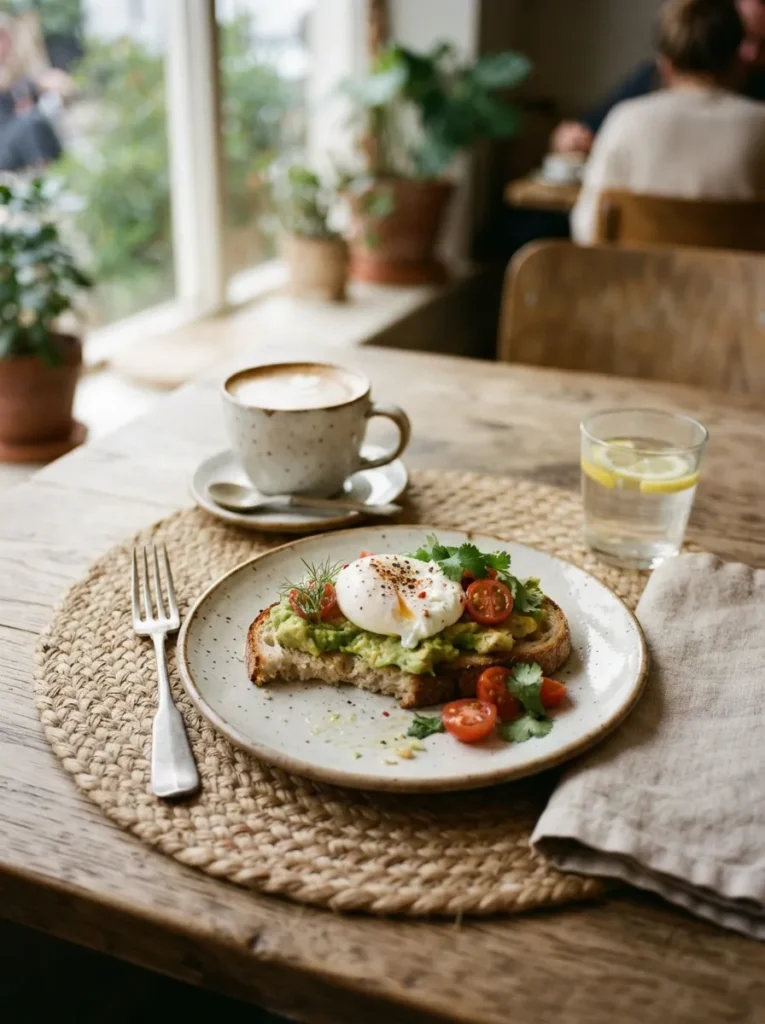
Not every meal needs the full formal treatment, and a casual brunch setting proves restraint can look just as intentional as an elaborate one.
- A woven placemat replaces the charger, and one fork replaces the full flatware lineup.
- Simple stoneware and a single juice glass keep the whole setting relaxed but still styled.
Spatial tip: casual settings work best with a slightly more generous spacing between seats, since brunch tables tend to host more lingering and less formal pacing.
A properly set table tells guests they mattered enough to plan for — no fancy equipment required, just a little intention at each seat. Learn the layering, master the flatware order, and every dinner party starts looking like it belongs in a magazine spread.